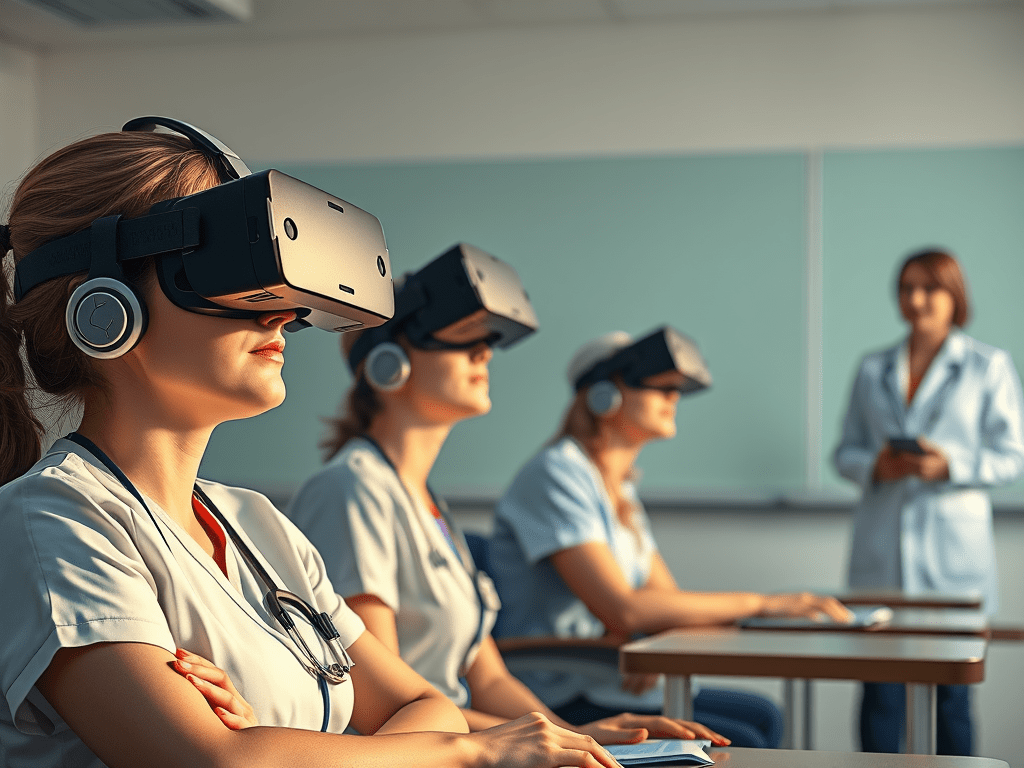
Virtual reality has emerged as an innovative approach to be integrated within educational environments. This technology allows for immersive experiences that can significantly enhance student engagement and understanding of complex subjects. Moreover, it is progressively being incorporated into curricula, enabling students to engage in learning according to their preferred styles, whether visual, auditory, or kinesthetic.
By utilising virtual reality, educators can create simulated environments that allow students to experiment, explore, and interact with content in ways that traditional teaching methods cannot achieve. This not only fosters a deeper connection to the material but also supports differentiated learning, accommodating diverse learning needs and preferences. As more institutions adopt this technology, the potential for personalised education and the overall enhancement of learning experiences continues to expand.

In Malta, the incorporation of Virtual Reality into educational curricula represents a relatively novel development that is gradually being implemented across various academic programs. Through our innovative framework, we are dedicated to enhancing the education of nursing students by offering them the opportunity to simulate a range of case scenarios they are likely to encounter during their placements. Such practical experiences are essential, as they equip aspiring healthcare professionals for the genuine challenges that await them in their future careers.
By integrating VR technology into nursing education, we aim to bridge the divide between theoretical knowledge and practical application, thereby enabling student nurses to engage with realistic scenarios in a safe and controlled environment. This immersive methodology not only boosts their confidence but also fosters the development of critical thinking and decision-making skills that are vital for real-world situations, ensuring they are adequately prepared as they transition into actual clinical settings.

 Nurseility
Leave a comment