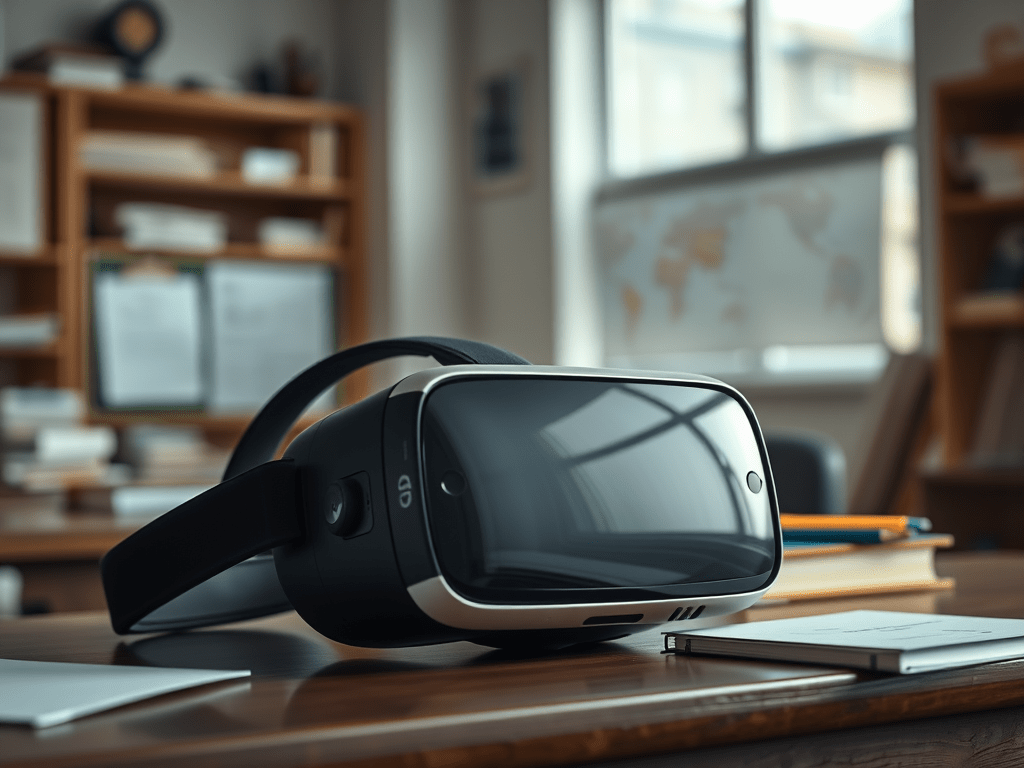
While virtual reality (VR) can provide immersive learning experiences, it also comes with several disadvantages in teaching. One major drawback is the high cost associated with implementing VR technology, which includes not just the hardware and software but also ongoing maintenance and updates that can burden educational institutions with significant financial strain.
Additionally, students can experience motion sickness or discomfort when using VR headsets for extended periods, potentially hindering their learning rather than enhancing it. This physical discomfort can lead to negative associations with the technology itself, making students reluctant to engage in future VR learning experiences. There is also the concern about accessibility; not all students may have equal access to this technology, which can widen the educational gap between those who can afford it and those who cannot, ultimately leaving some students at a disadvantage. Furthermore, VR environments can sometimes oversimplify complex real-world scenarios, leading to a lack of critical thinking skills and real-life problem-solving abilities among learners, as they are not given the opportunity to navigate the nuanced challenges of the real world.
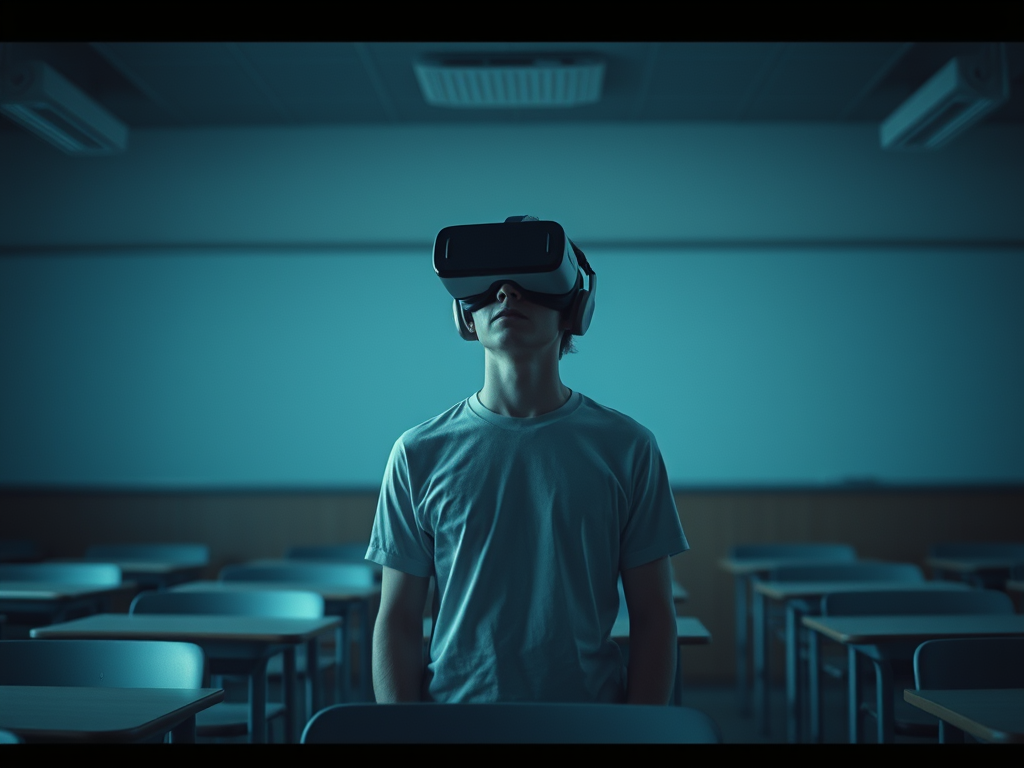
Lastly, if not properly integrated into the curriculum, VR can become an isolated learning tool rather than a collaborative educational experience, diminishing the importance of social interaction in the learning process, which is critical for developing soft skills such as teamwork and communication. As educators consider incorporating VR into their teaching strategies, it is essential to weigh these potential drawbacks against the benefits to ensure that the learning experience remains holistic and effective.
 Nurseility
Leave a comment