Category: Education
-
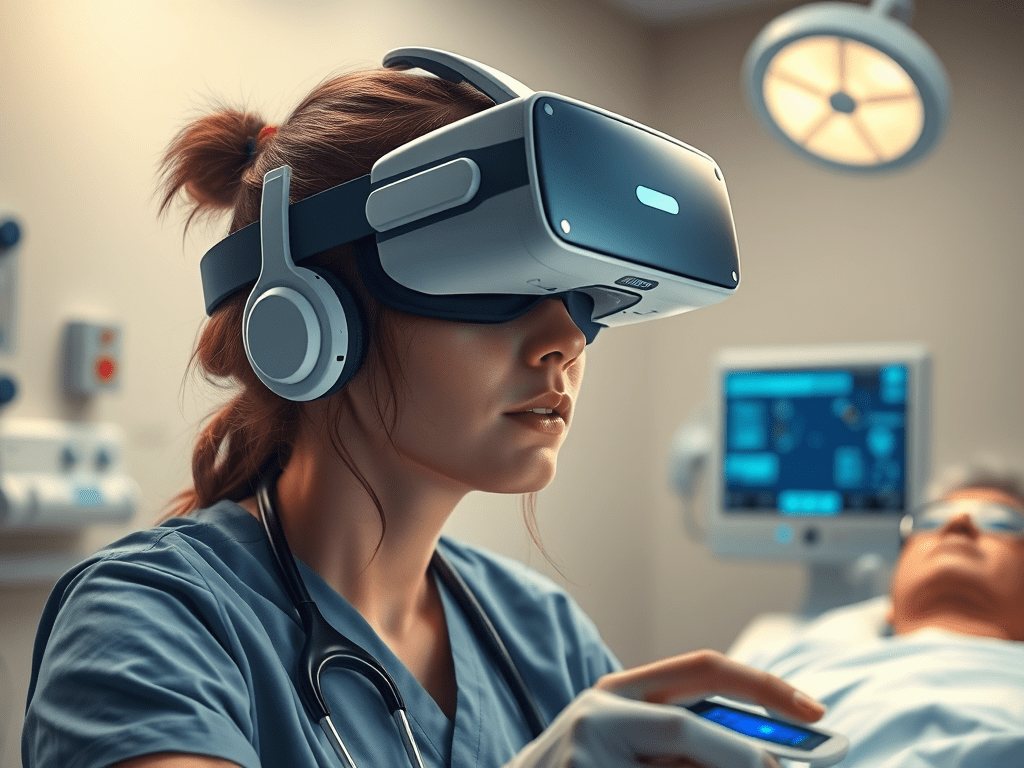
Virtually Vital Signs: Putting Your Skills to the Test in VR
The integration of Virtual Reality (VR) into nursing education presents a transformative opportunity to enhance the assessment of nursing students’ skills during hands-on practice. By utilizing VR technology, educators can create immersive simulations that replicate real-life clinical scenarios, enabling students to practice critical skills without the pressures of a live environment. This innovative approach allows…
-
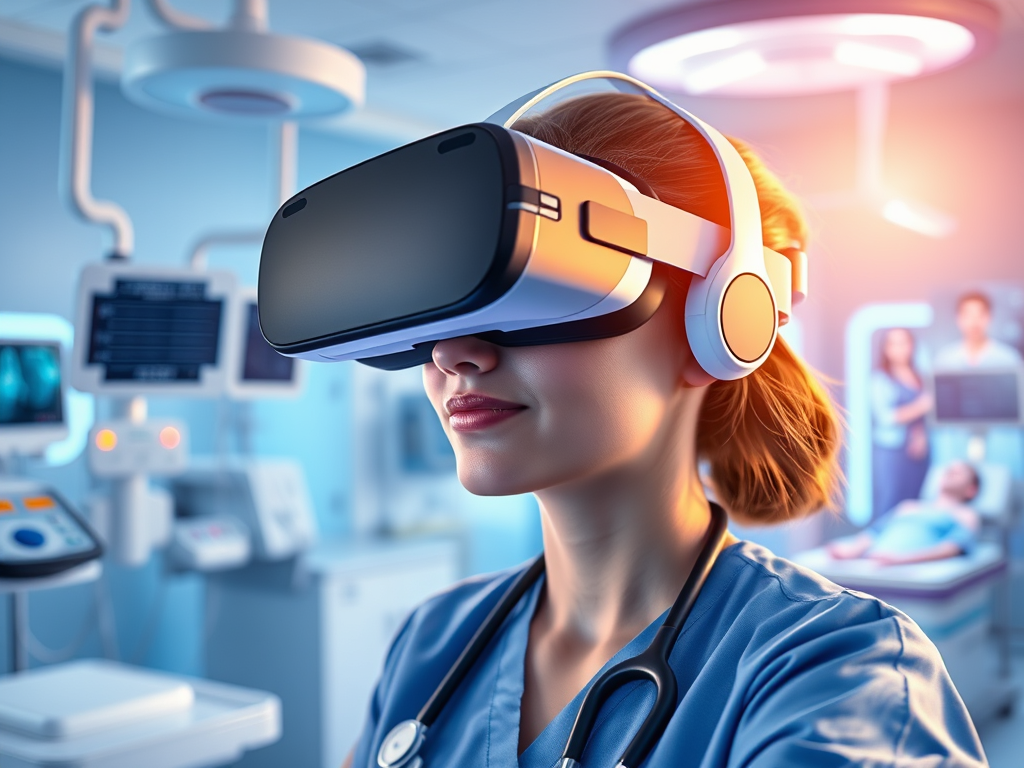
No Experience, No Excuses!
There are no justifiable reasons for abstaining from the exploration of the dynamic realm of virtual reality, particularly for individuals who may lack prior experience. The technology has progressed to a point where it is exceptionally accessible and straightforward to learn, bolstered by a multitude of tutorials that effectively guide users through each stage of…
-
Behind the Headset: The Price of Virtual Immersion
While virtual reality (VR) can provide immersive learning experiences, it also comes with several disadvantages in teaching. One major drawback is the high cost associated with implementing VR technology, which includes not just the hardware and software but also ongoing maintenance and updates that can burden educational institutions with significant financial strain. Additionally, students can…
-

Practice, React, Perfect It!
Virtual reality (VR) presents a transformative opportunity for student nurses by allowing them to engage in practical scenarios as many times as necessary, significantly enhancing their educational experience. One of the most significant advantages of VR is its ability to provide real-time feedback, which is essential for the learning process. As student nurses practice various…
-
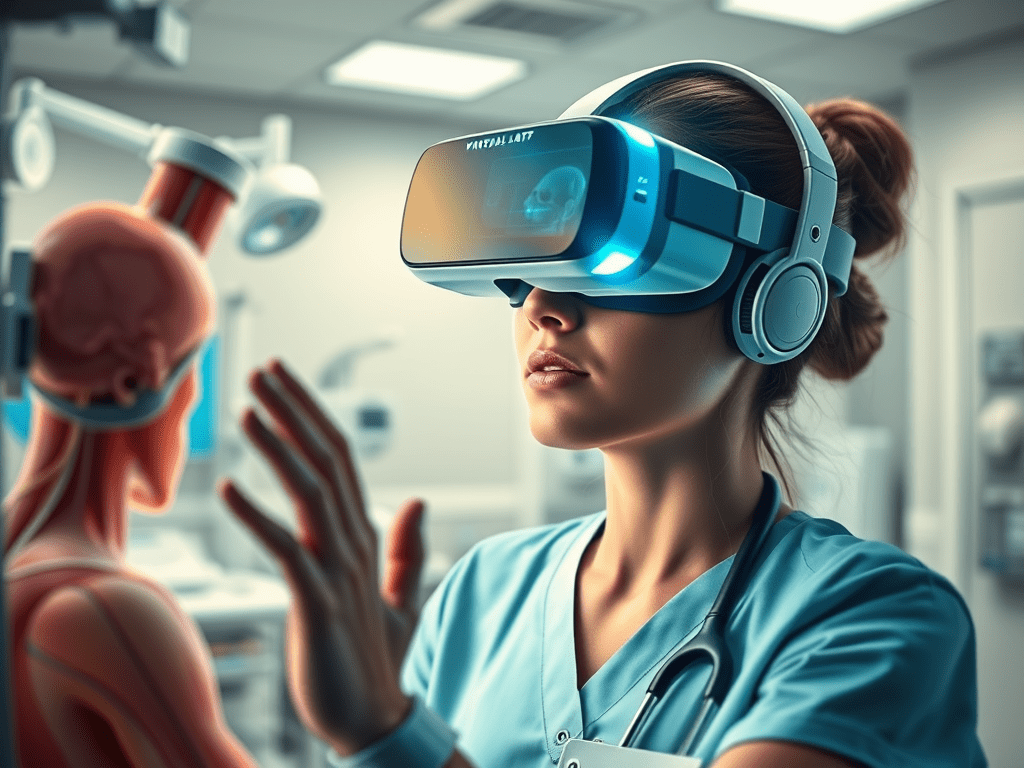
SimplifyVerse
The advantages of using virtual reality (VR) in nursing education are profound, especially in terms of reducing the complexity of understanding difficult case scenarios during theoretical hours. By immersing students in realistic simulations, VR allows them to engage with intricate clinical situations in a controlled environment, fostering better comprehension without the pressure of real-life consequences.…
-

One Size Doesn’t Fit All: Teaching Every Learning Style
Teaching all four types of learners—visual, auditory, reading/writing, and kinesthetic—holds immense significance, particularly in an adult learning environment, as it caters to the diverse backgrounds, experiences, and preferences of students. By recognising and incorporating varied teaching methodologies tailored to these distinct learning styles, educators can foster a more inclusive atmosphere where every student feels valued…
-
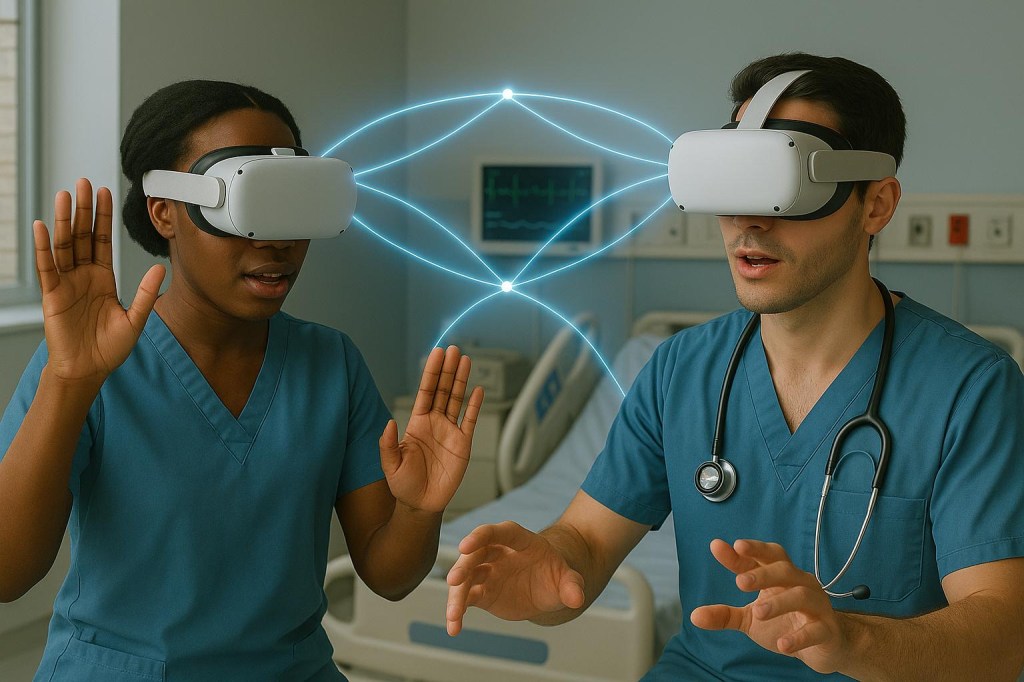
VR Without Borders: Learn & Practice From Anywhere
The benefits of virtual reality (VR) are indeed endless, particularly in the realm of nursing education, where learning can occur in any setting, free from the constraints of traditional classroom environments or clinical placements. VR technology transports nursing students to immersive simulations that allow them to engage with complex medical scenarios in ways that traditional…
-

Bridging the Bedside Gap: VR as the Missing Link in Nursing Training
Virtual Reality has emerged as a pivotal approach in modern healthcare education, integrating technology in ways that were previously inconceivable. With the demands of the healthcare industry increasing at an unprecedented rate, traditional methods of training nurses are often insufficient to prepare them for real-world scenarios that can vary greatly not only in complexity but…
-
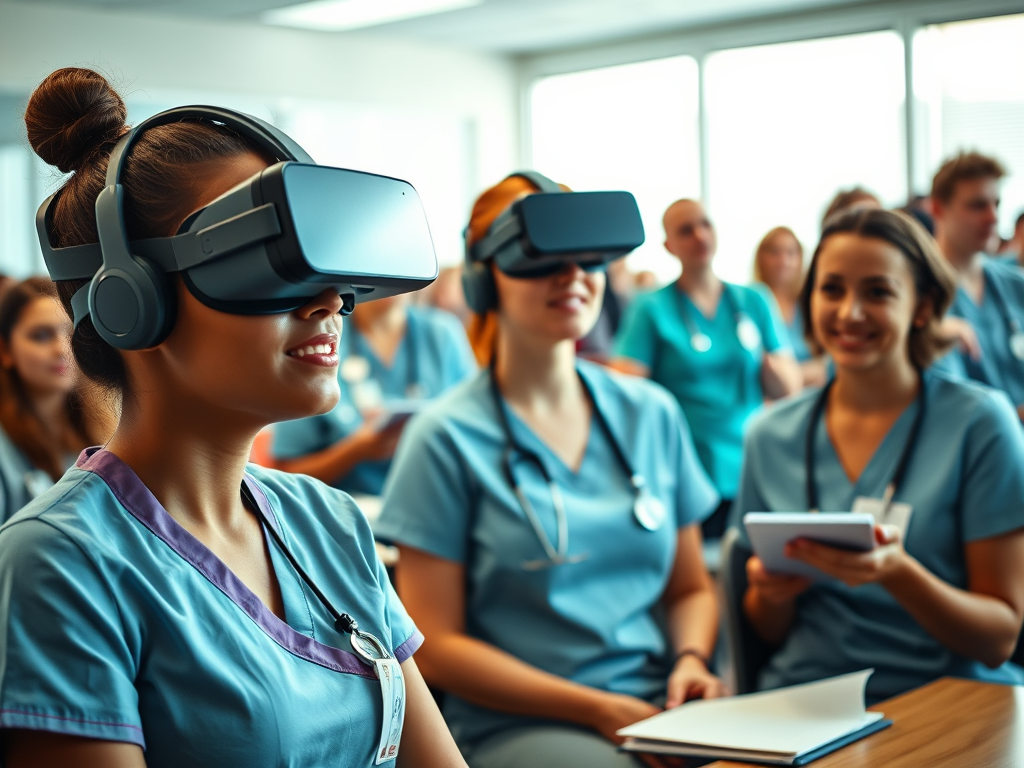
From Chance to Choice: VR in Nurse Training
During placements, various factors influence luck, primarily determined by the location of the student and the degree of exposure to hands-on experiences in real-world scenarios. These factors can lead to significant variations in the learning outcomes for different students, as some may have access to a broader range of situations while others might encounter more…
-
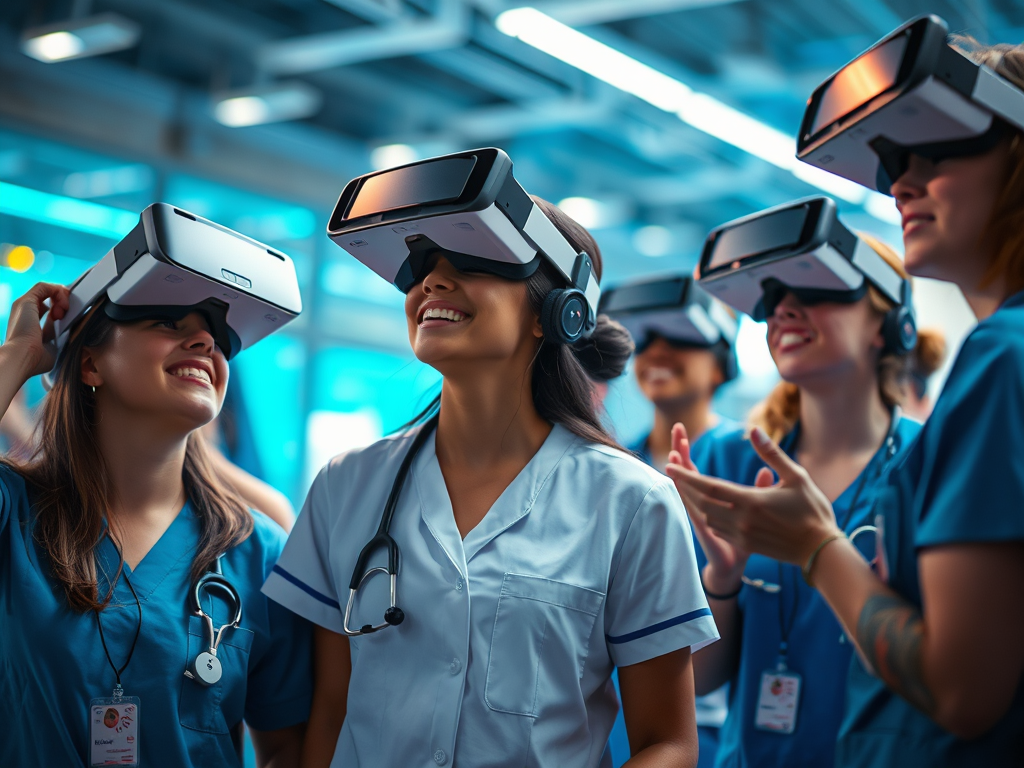
Tailored Learning
The advantages of employing Virtual Reality in educational contexts are extensive and noteworthy, as the program can be meticulously designed to cater to the individual needs of learners, harmonise with the established curriculum, and accommodate a variety of learning styles. This tailored approach not only facilitates a more personalised educational experience but also engages students…
 Nurseility