Category: General
-
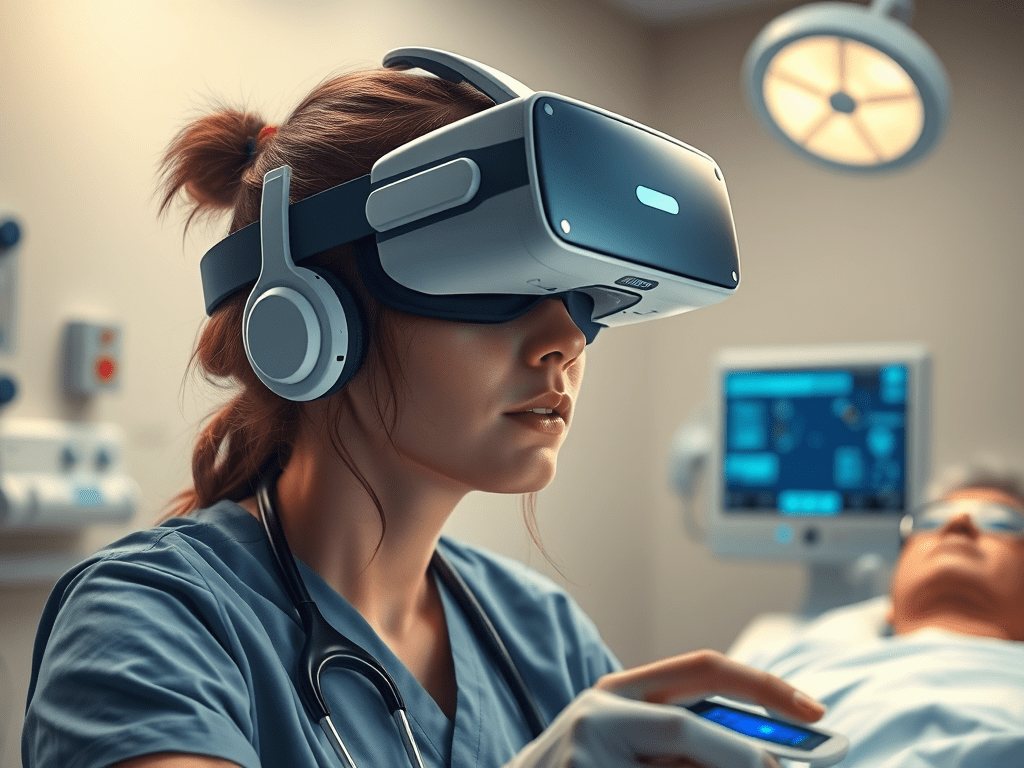
Virtually Vital Signs: Putting Your Skills to the Test in VR
The integration of Virtual Reality (VR) into nursing education presents a transformative opportunity to enhance the assessment of nursing students’ skills during hands-on practice. By utilizing VR technology, educators can create immersive simulations that replicate real-life clinical scenarios, enabling students to practice critical skills without the pressures of a live environment. This innovative approach allows…
-

One Size Doesn’t Fit All: Teaching Every Learning Style
Teaching all four types of learners—visual, auditory, reading/writing, and kinesthetic—holds immense significance, particularly in an adult learning environment, as it caters to the diverse backgrounds, experiences, and preferences of students. By recognising and incorporating varied teaching methodologies tailored to these distinct learning styles, educators can foster a more inclusive atmosphere where every student feels valued…
-
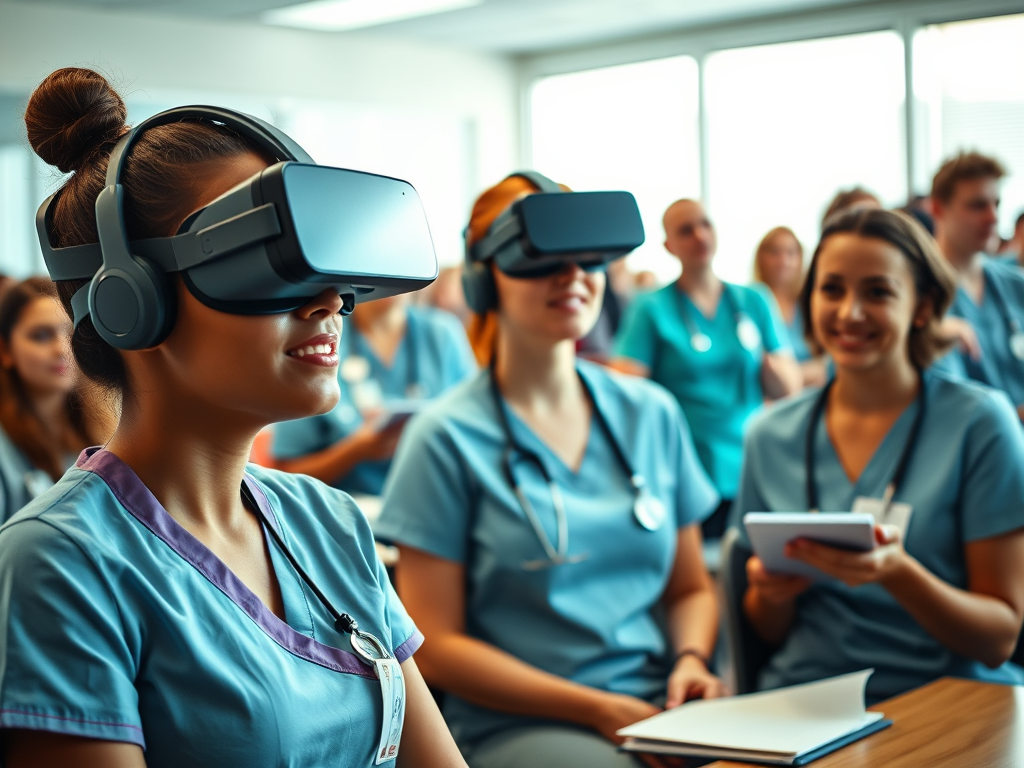
From Chance to Choice: VR in Nurse Training
During placements, various factors influence luck, primarily determined by the location of the student and the degree of exposure to hands-on experiences in real-world scenarios. These factors can lead to significant variations in the learning outcomes for different students, as some may have access to a broader range of situations while others might encounter more…
-
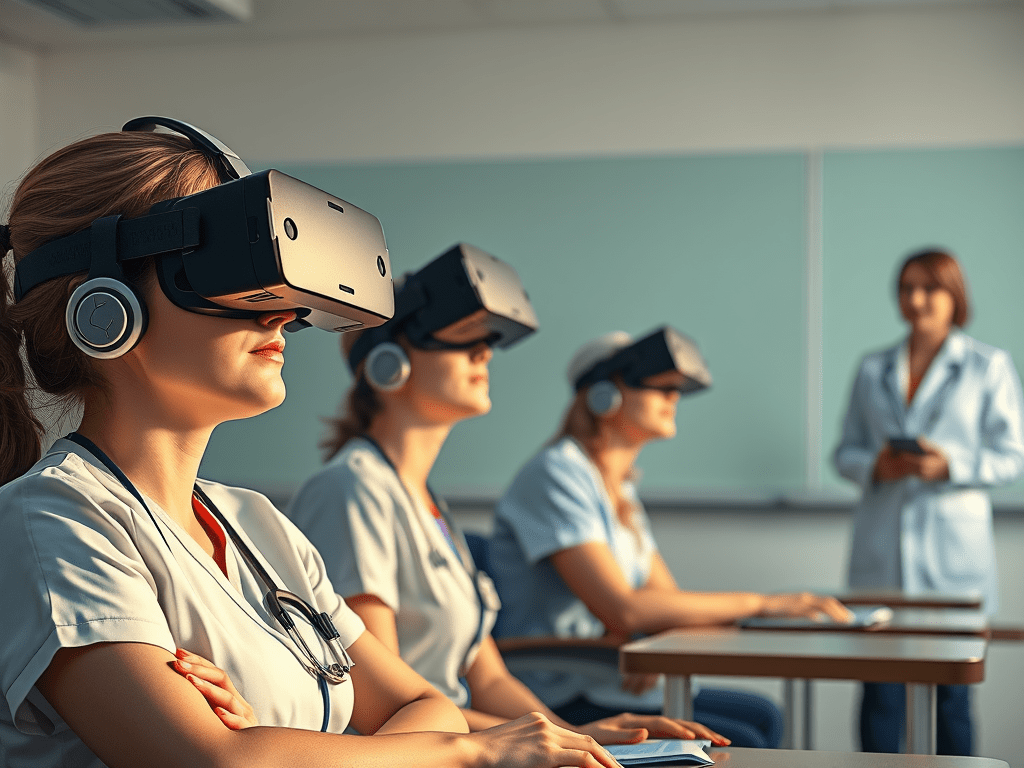
A New Way for Learning
Virtual reality has emerged as an innovative approach to be integrated within educational environments. This technology allows for immersive experiences that can significantly enhance student engagement and understanding of complex subjects. Moreover, it is progressively being incorporated into curricula, enabling students to engage in learning according to their preferred styles, whether visual, auditory, or kinesthetic.…
-

Sustainability through Virtual Reality
Virtual Reality (VR) is not just revolutionising the way one teaches—it’s reshaping the how and why behind nursing education. By reducing the need for physical resources, travel, and repetitive use of disposable medical supplies, VR offers a greener, more efficient alternative to traditional training methods. It’s a powerful tool for creating immersive, repeatable, and risk-free…
-
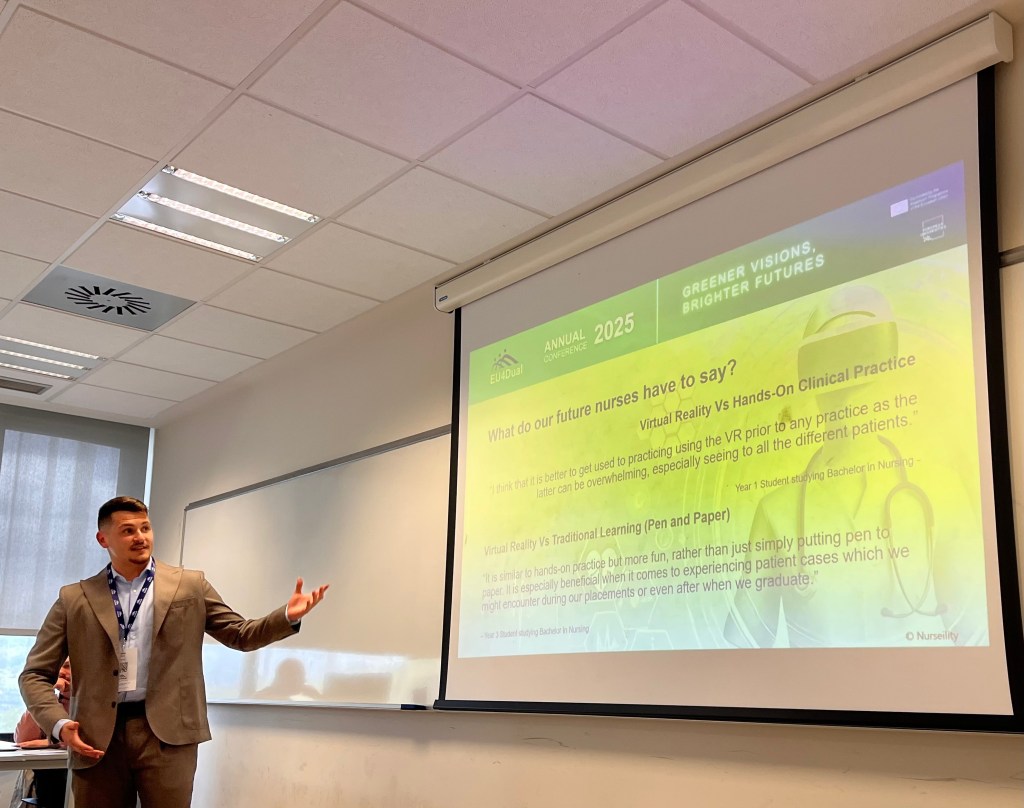
Our Experience at the EU4Dual Conference
Last week, EU4Dual convened industry leaders, innovators, researchers, and professionals from around the globe to discuss Greener Visions and Brighter Futures for learners worldwide at Mondragon Unibertsitatea in San Sebastian and the ESTIA Institute of Technology in Bidart. With thought-provoking roundtable discussions, poster presentations, impactful keynote addresses, and presentations showcasing ongoing research, the event provided…
-

The benefits of tackling New, Rare, Complicated & Time sensitive Scenarios using Nurseility.
The benefits of tackling New, Rare, Complicated & Time sensitive Scenarios using Nurseility.
-
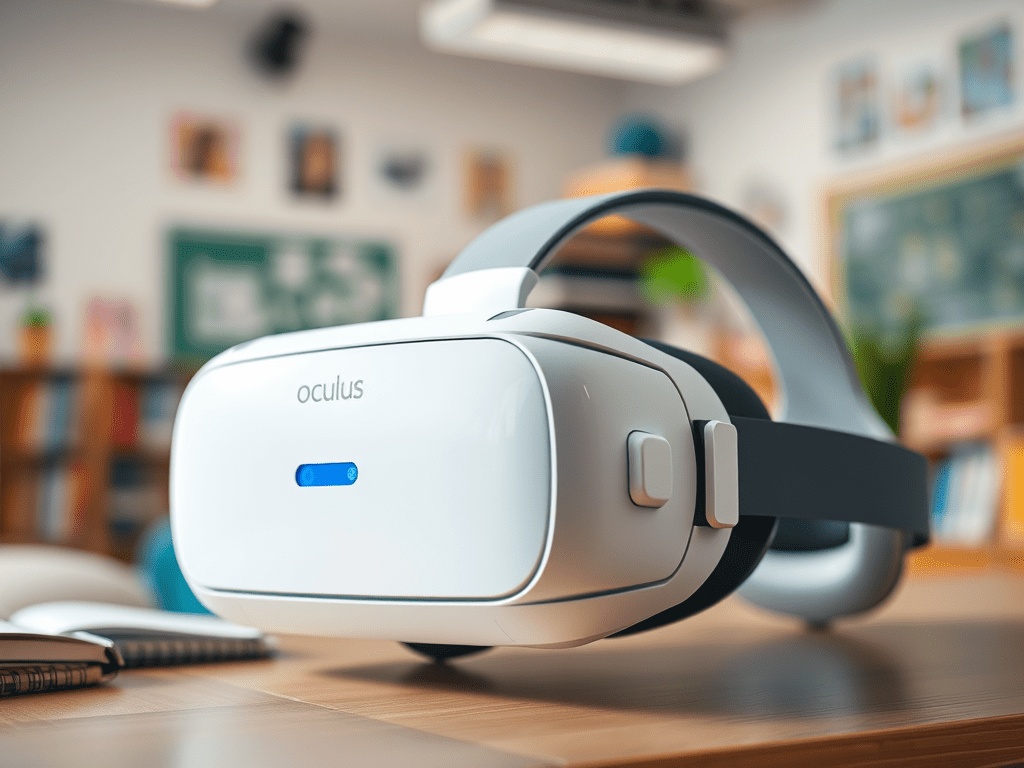
Why is Virtual Reality a positive benefit to education?
Virtual reality can have many different benefits when it becomes integrated into a curricula. One of which is that it’s another way of learning for learners who are taught better using visual learning. This immersive technology not only enhances engagement but also allows students to explore complex subjects in an interactive environment, making abstract concepts…
 Nurseility